MR. PAIN
Pärlby
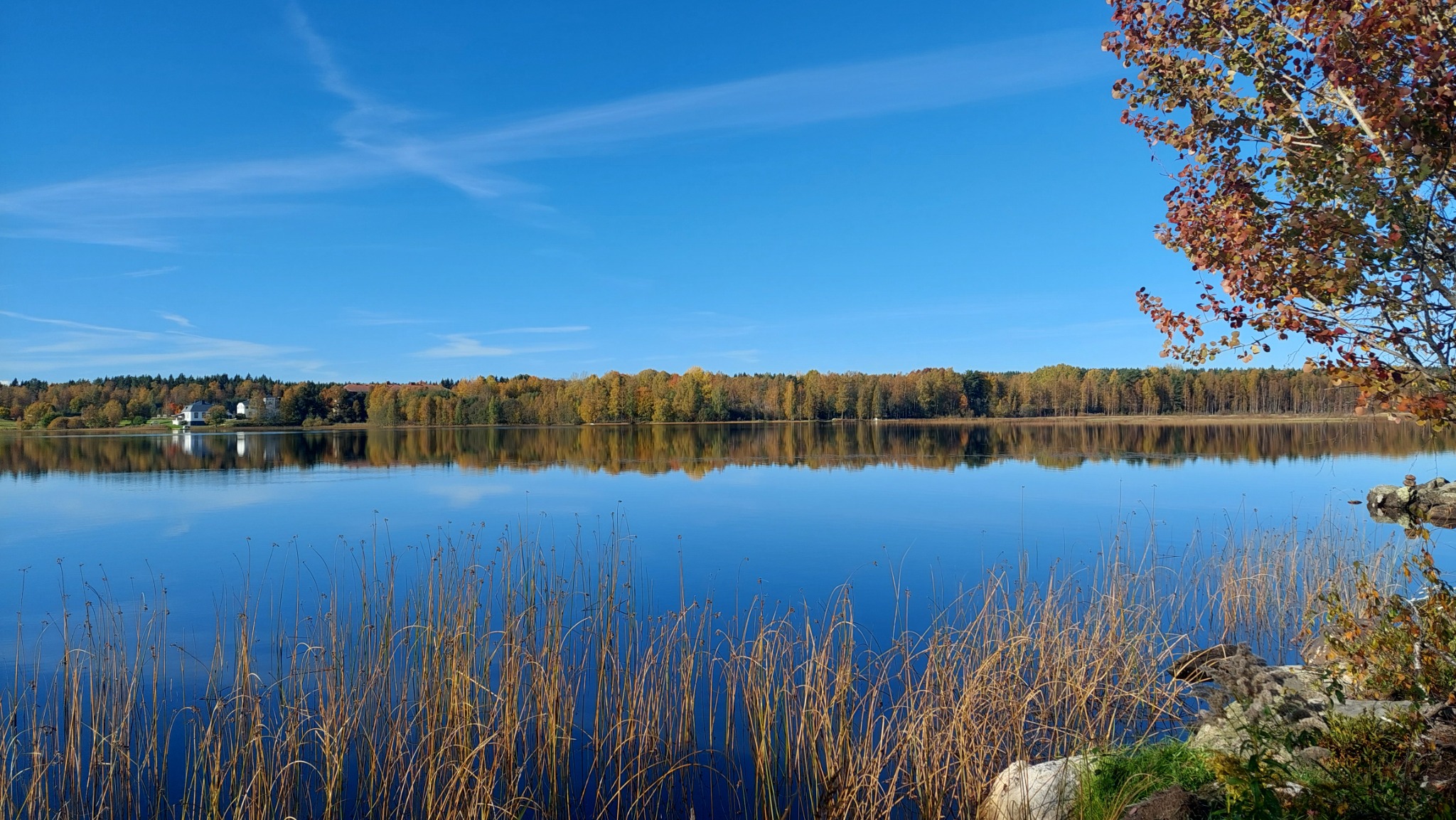
The small village of Pärlby lies amid the deep, seemingly endless forests of Bergslagen, the historic mining region of northern Sweden. Around two hundred kilometres northwest of the capital, Stockholm, the village, now home to just over one hundred and twenty-five people, nestles in the rugged landscape of lakes and hills in Ludvika Municipality, in the province of Dalarna.
Although Pärlby today seems tranquil and almost unassuming, its soul reaches deep into the past. The roots of this settlement stretch back more than a thousand years. Even before the turn of the first millennium, long before official chronicles recorded the land, people lived and worked in this wooded area, historically part of the old parish of Grangärde. What began as a loose collection of farms withstood the harsh Nordic climate for centuries. Living in harmony with nature, the inhabitants made their living from farming, forestry and the region’s growing mining industry.
The twentieth century, however, brought a profound and dark turning point for this modest village. Built as a state poorhouse at the beginning of the century, the central complex underwent a radical transformation in 1940. Pärlby was converted into a psychiatric hospital and became a branch of the notorious mental hospital in nearby Säter. At the height of this era, as many as one hundred and fifty men with mental illnesses were confined here. For most of them, isolation in the forests of Dalarna became the final station of their lives. It was not until the late 1980s that modern times caught up with the institution. The sanatorium closed, and for a short time the buildings stood abandoned, a ghostly relic.
But Pärlby reinvented itself, transforming its dark past into creative energy. In the 1990s, Swedish musician and producer Peter Tägtgren took over the empty complex. Where silence and suffering had once prevailed, loud art moved in. As Abyss Studio, the place became one of the heavy metal scene’s most important pilgrimage sites worldwide, where internationally renowned bands recorded their albums. Today, this creative musical history coexists peacefully with the rural idyll. Alongside the world-famous studio, the modern Pärlby Gård equestrian centre shapes the village of today, drawing horse enthusiasts from around the world to a place that has successfully carried its thousand-year history into the twenty-first century.